
MCNEESE STATE UNIVERISTY
McNeese recognizes that students may acquire college-level learning from non-traditional means, such as corporate or military training, work experience, civic activity, and/or independent study in compliance with the policies of the University of Louisiana System. These system-wide policies are described on the ULS Prior Learning Assessments for Academic Credit policy page.
Prior Learning Assessment (PLA) Credit includes learning acquired from work and life experiences; community and volunteer extension courses; individual study and reading; civic, community and volunteer work; and participation in informal courses and in-service training sponsored by associations, business, government, and industry. PLA Credit is not awarded for EXPERIENCE, but for college-level LEARNING that entails knowledge, skills, and competencies that students have obtained as a result of their prior learning experience.
Credit earned via prior learning assessments is indicated as such on the student’s transcript. A grade of ‘P’, ‘P-CR’, or ‘CRD’ is awarded, which is included in earned hours, but not in the computation of any GPA or determination of academic standing. The applicability of prior learning assessment credit to a degree is determined by the student’s academic department.
Credit earned through any prior learning assessment program does not count toward the TOPS award continuation requirements of 24 earned credit hours per academic year. Credit earned through PLA does not count toward any scholarships that specify a number of credit hours earned. PLA credit does not count as hours attempted for Federal Financial Aid.
A maximum of 45 credit hours of non-traditional credit, including, but not limited to, extension credit, correspondence credit, and credit from prior learning assessments, may be used toward a bachelor’s degree; a maximum of 24 credit hours of non-traditional credit may be counted toward an associate degree.
To ensure that credit for a PLA will be counted toward a degree, you should always check with your academic advisor or department head. For some courses a student must obtain approval in writing from his/her advisor and department head before registering for the course and must take the final examination under the supervision of the Office of Testing Services. After a correspondence course is completed, the student should request the registrar of the college from which the course was taken to send an official transcript of credits to the Office of the Registrar at McNeese.
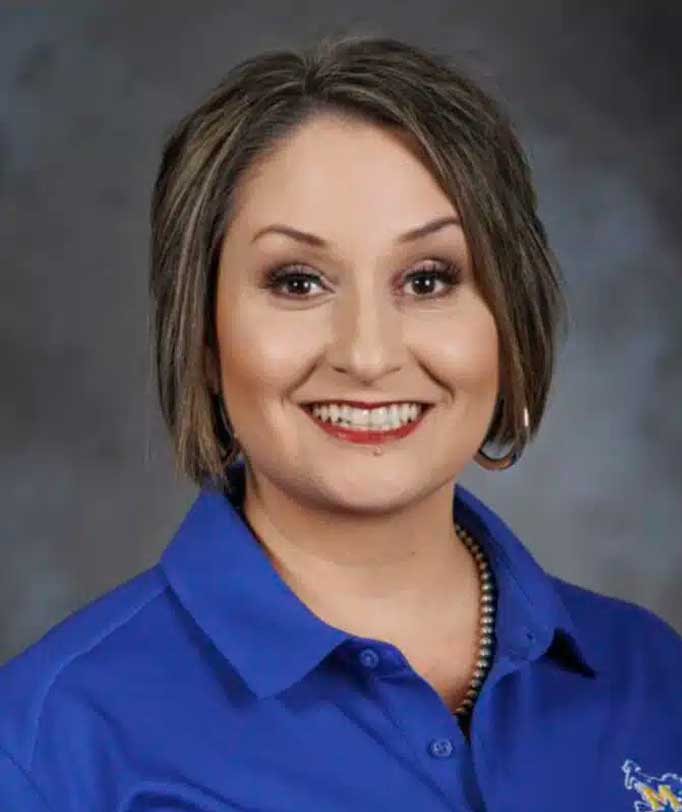
I am a McNeese graduate with a bachelor's degree in Family and Consumer Science and a concentration in Child and Family Studies. As a student, I competed on the rodeo team and served on the SGA board. I earned my master’s degree in 2022 from the University of South Dakota in Educational Administration and Leadership with a concentration in Adult and Higher Ed. I have over 13 years of experience in adult education and 20 years of educational experience.
My favorite part of being a Freshman Advisor is helping students navigate their new life routine as a college freshman by offering support with in-person office visits or by email to help students meet their goals. I always remind students of my favorite BB King quote – “Education is one thing no one can ever take away from you.” I believe that supporting students is vital to a student's success.
In my spare time, I raise registered American Brahman cattle, and I enjoy all the "country girl" things like hunting, fishing, growing a garden and cooking.