McNEESE STATE UNIVERSITY
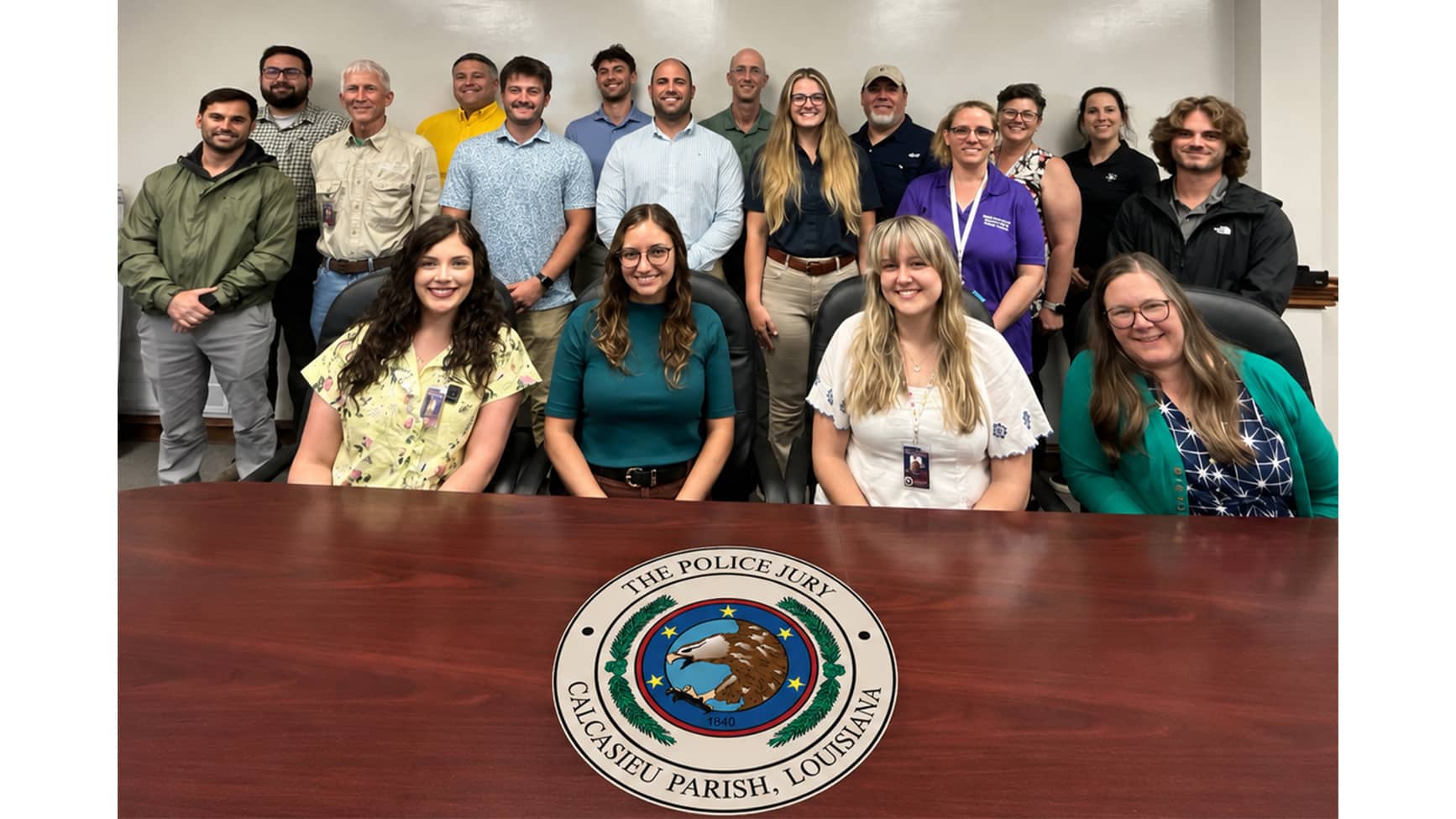
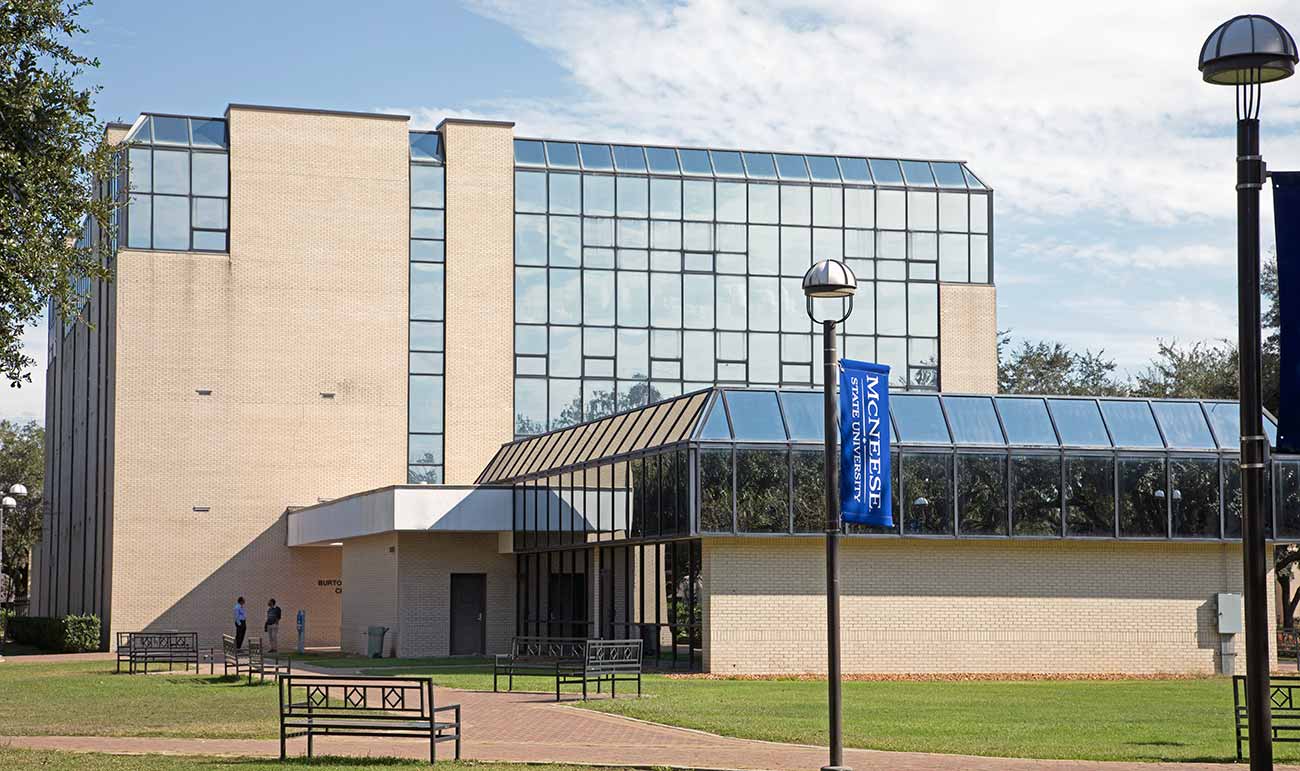
McNeese State University alumni are making a difference in the Calcasieu Parish Police Jury (CPPJ) division of engineering.
McNeese is a regional university and graduates who wish to stay in Southwest Louisiana often find plenty of employment opportunities. Several graduates who earned engineering degrees are working to make transportation, utilities and drainage in Calcasieu Parish safer and better.
Jennifer Hobbs, a 2010 graduate, and Leroy “Lee” Skellham, a 2000 graduate, are happy working for the CPPJ. Hobbs said she interned with the Louisiana Department of Transportation and Development while she was a McNeese student and enjoys the work she does with CPPJ.
Skellham explained that he has worked in nearly every facet of civil engineering in the private sector and taking a role as a traffic engineer for Calcasieu Parish was unexpected.
“I made the transition to working in the public sector late in my career, but had I realized how rewarding this work is, I would have made the change years ago,” he said.
After earning a drafting and design degree from SOWELA Community and Technical College, Carly Cline pursued an engineering degree from McNeese and graduated in 2025. She works with the bridge and drainage team and is looking forward to earning a professional engineering license.
However, not all who work in the division of engineering have engineering degrees.
Katie Areno is a senior accounting support specialist in the division. She graduated from McNeese in 2023 with a bachelor’s degree in marketing and in 2024 with a Master of Business Administration.
“While I originally started out in marketing, I didn’t think I would end up in an accounting support role. But by learning everything about business by continuing my education, I feel as though I indirectly prepared myself for this position I work in, and I enjoy it more than I thought I would,” she said.
Tina Bellon graduated in 2000 with a degree in math education and a master’s degree in education technology in 2002. She started out as a teacher but is now an engineering project manager. She says her math background helped prepare her for the job with CPPJ.
Amber Rogers Cole, a 2003 visuals arts graduate and a 2004 general studies graduate, is the senior administrative support supervisor for the division. She often utilizes the skills she learned at McNeese including reading comprehension and grammar. While Rachel Leonard, a 2000 graduate with degrees in accounting and management, says her internship opportunities while at McNeese prepared her with hands-on learning.
McNeese helped prepare Anais Rhodes for her engineering career. A 2019 graduate, she has found memories of the comradery between her and her classmates during test time.
“McNeese helped me learn to persevere, no matter the challenge. Engineering classes were not easy, but they taught me to work hard every day,” she said. “I gained some of my best friends still today from bonding over the stress of our classes.”
Cliff Vanicor, a 2006 engineering graduate, says his senior capstone project provided real world experience that helped him in his career.
Many of the engineering alums have fond memories of the American Society of Civil Engineers (ASCE) student chapter at McNeese and building concrete canoes for their annual competition.
“The memory that stands out to me is building the concrete canoe and unexpectedly getting third place,” Skellham said. Cline recalls paddling their sinking concrete canoe.
All of these McNeese alumni say they chose McNeese because it offered a great education that was affordable and close to home.
“McNeese, while being a relatively small school, has a reputation for being a good engineering school,” explained Thomas Clement, a 1998 engineering graduate. “Many successful people have attended and graduated from McNeese to become productive members of the workplace.”
Others shared that smaller class size, caring professors and the abundance of opportunities to get involved on campus made their experiences better.
“The professors will match your effort. The more you participate and try, the more you will gain from your education,” Cline said. “The smaller classes give you the opportunity to achieve a better understanding of your courses.”
“You get so much more than what you pay for – a hometown feel with a personal touch from the staff who wants you to succeed and walk out the doors with a degree in your hand,” said Areno. “In my opinion, you cannot get that everywhere!”